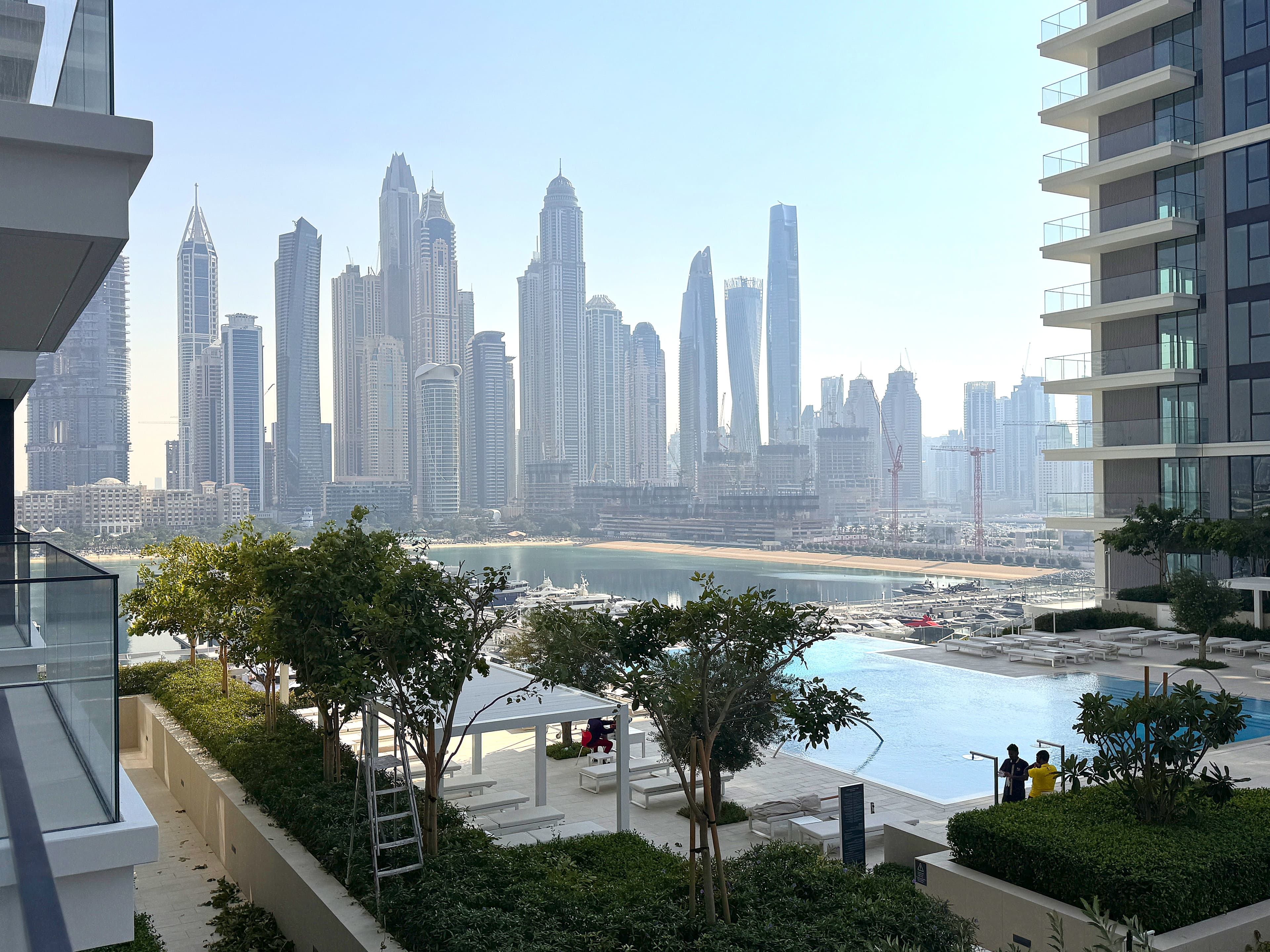
,,How to buy property in Dubai’’ is one of the most important questions for international investors who want to enter the UAE real estate market with confidence. Dubai offers strong investment potential, attractive rental yields, and a transparent ownership framework, but buying the right property requires more than choosing a project from a brochure.
For foreign buyers, the process can feel simple at first glance, especially because Dubai is known for its investor-friendly environment. However, the real challenge is not only completing the transaction. It is choosing the right area, understanding the costs, checking the developer, comparing opportunities, and making sure the property aligns with a clear investment objective.
This guide explains how to buy property in Dubai in 2026, step by step, with a focus on strategy, documentation, costs, and professional guidance.
For a broader overview of market potential, returns, costs, risks, and investment strategy, you can also read our complete guide on investing in Dubai real estate.
Why Buying Property in Dubai Requires a Clear Strategy
Before entering the market, investors should understand that buying property in Dubai is not only a legal or administrative process. It is an investment decision that should be connected to a specific objective.
Some buyers are focused on rental income. Others are looking for capital appreciation, lifestyle use, relocation, or long-term portfolio diversification. Each objective leads to a different type of property, area, budget, and risk profile.
For example, a buyer looking for stable rental income may prefer an established area with strong tenant demand. An investor focused on long-term growth may be more interested in emerging communities or off-plan projects. A buyer considering relocation may prioritize lifestyle, schools, accessibility, and community facilities.
This is why the first step is not choosing a property, but defining the purpose behind the purchase.
Can Foreigners Buy Property in Dubai?
Yes, foreigners can buy property in Dubai in designated freehold areas. This is one of the reasons why the emirate has become a major destination for international property buyers. The UAE government portal confirms that expatriates and foreign investors may acquire freehold ownership rights over property in specific areas, subject to the applicable regulations.
However, legal eligibility is only part of the decision. The more important question is whether the selected property, area, and purchase structure match the buyer’s goal. A property that works well for short-term rental income may not be the best option for long-term appreciation, and a premium address may not always deliver the highest yield.
Property transactions in Dubai are registered through the Dubai Land Department, which oversees sale registration procedures. For official information and verified real estate resources, buyers can also refer to the Dubai Land Department.
Still, understanding the practical side of the market requires more than knowing where ownership is registered. Buyers need to assess location, developer reputation, payment terms, service charges, rental demand, resale potential, and the real cost of ownership.
This is where working with an experienced Dubai real estate consultant can make the process clearer and more efficient, especially for international buyers who are not familiar with the local market.
How to Buy Property in Dubai: Key Steps to Follow
Step 1: Define Your Investment Objective
The first practical step in understanding how to buy property in Dubai is defining your investment objective.
If your priority is rental income, the focus should be on occupancy, tenant demand, service charges, and net yield. Areas with strong demand from professionals, families, or short-term tenants may be more suitable.
If your objective is capital appreciation, you may look at locations with infrastructure growth, limited supply, or major development plans. In this case, timing and project selection become especially important.
If the property is connected to relocation or lifestyle, the analysis becomes more personal. Accessibility, community quality, schools, amenities, and long-term usability matter just as much as return on investment.
A clear objective helps filter the market and prevents buyers from being distracted by attractive but unsuitable offers.
Step 2: Choose the Right Area
Location is one of the most important decisions in the Dubai property buying process. The same budget can produce very different results depending on the selected area.
Dubai Marina, Business Bay, Palm Jumeirah, Downtown Dubai, Dubai Hills, and Jumeirah Village Circle all serve different buyer profiles. Some are better for rental demand, others for lifestyle, luxury positioning, or future capital growth.
Choosing the right area should not be based only on popularity. Investors should look at tenant demand, future supply, infrastructure, resale liquidity, and the type of buyer or tenant the area attracts.
For a deeper comparison of Dubai’s strongest investment locations, buyers can also read our guide on the best areas to invest in Dubai real estate.
This is also where professional market guidance becomes valuable. A real estate consultancy can help compare areas not only by price, but by long-term investment logic.
Step 3: Decide Between Off-Plan and Ready Property
Another major decision when buying property in Dubai is whether to choose an off-plan or a ready property.
Off-plan properties are purchased before completion, usually directly from a developer. They often come with flexible payment plans and lower initial entry costs. For investors targeting capital appreciation, off-plan properties can be attractive, especially when bought in the early stages of a strong project.
However, they also involve risks. Completion timelines, developer reputation, market conditions, and final delivery quality must be evaluated carefully.
Ready properties, on the other hand, are completed units that can be inspected, valued, rented, or used immediately. They offer more certainty and are often better suited for buyers who want immediate rental income or lower delivery risk.
The right choice depends on the buyer’s strategy. Off-plan can support growth, while ready property can support cash flow and predictability.
Step 4: Understand the Real Costs of Buying a Property in Dubai
Understanding costs is essential when learning how to buy property in Dubai, because the purchase price is not the only amount buyers need to plan for.
The Dubai Land Department transfer fee is one of the largest transaction costs. For standard property sale registration, DLD service information refers to a 4% fee based on the sales value, alongside additional registration-related fees depending on the transaction type and property value.
Buyers should also consider agency fees, administrative fees, trustee office charges, mortgage-related costs if financing is used, service charges, and possible developer-related fees. Property Finder’s 2026 cost guide notes that buyers often need to budget above the purchase price to cover transaction-related expenses, with the DLD transfer fee being the largest government cost.
These costs can influence the true return on investment. A property with an attractive purchase price may become less profitable if service charges are high or if the expected rental income is unrealistic.
This is why cost analysis should be done before committing to a unit, not after the decision is already made.
Step 5: Check the Developer, Project, and Documentation
Due diligence is one of the most important parts of the buying process.
For off-plan properties, buyers should assess the developer’s track record, delivery history, project location, payment plan, expected completion date, and market demand in that specific area.
For ready properties, the focus should include title status, physical condition, service charges, tenant status, rental potential, and resale value.
Documentation also matters. Buyers should understand the reservation agreement, sale and purchase agreement, payment terms, transfer process, and any restrictions connected to the property.
This is an area where professional support can protect buyers from common mistakes. A consultant who understands the Dubai market can help identify whether a property is genuinely suitable or simply well-presented.
Step 6: Make an Offer and Secure the Property
Once the right property has been selected, the buyer can move toward making an offer or reserving the unit.
For ready properties, this typically involves negotiation, agreement on price, deposit payment, and signing the relevant transaction documents. For off-plan properties, the process is usually handled through the developer’s sales system, with reservation and payment plan documentation.
At this stage, buyers should be careful not to make decisions based only on urgency or limited-time offers. While Dubai’s market can move quickly, a rushed decision can lead to overpaying or choosing a property that does not fit the original investment goal.
A structured advisory process helps buyers compare options before committing financially.
Step 7: Complete the Transfer and Registration
The final step is completing the ownership transfer and registration.
In Dubai, property sale registration is handled through the Dubai Land Department framework. DLD describes property sale registration as the service that allows individuals to register a sale transaction between the seller and buyer, or their legal representatives, for land, property, or completed real estate units.
For ready properties, the transfer is typically completed through the relevant registration process once the required documents and payments are in place. For off-plan properties, the buyer’s rights are registered according to the applicable project and developer procedures.
The exact process may differ depending on whether the property is ready, off-plan, mortgaged, or purchased directly from a developer. This is why buyers should verify the applicable steps before proceeding.
Why Work With a Dubai Real Estate Consultant?
Buying property in Dubai can be straightforward when the right steps are followed, but choosing the right property is rarely simple.
A specialized real estate consultant can help buyers understand the market, compare opportunities, evaluate developers, estimate realistic returns, and avoid unsuitable properties. This is especially valuable for international investors who may not be physically present in Dubai or who are unfamiliar with local pricing, areas, and buying practices.
The role of a consultant is not only to show available properties. It is to guide the buyer toward options that match their budget, investment objective, and long-term strategy.
For investors who want a more structured approach, Arena Properties can support the process from property selection to investment guidance and transaction coordination, helping buyers approach the Dubai market with more clarity and confidence.
Common Mistakes to Avoid When Buying a Property in Dubai
One of the most common mistakes buyers make is choosing a property based only on price. A lower entry price does not automatically mean a better investment if the area has weak demand, high service charges, or limited resale potential.
Another mistake is buying without understanding the difference between gross and net returns. Rental yield can look attractive on paper, but transaction costs, management fees, maintenance, vacancies, and service charges can reduce profitability.
Some buyers also focus too much on trends. Popular areas can be excellent, but not every project in a popular location is a strong investment. The fundamentals of the property still matter.
Finally, many international buyers underestimate the importance of having local guidance. A professional perspective can help identify risks that may not be obvious from marketing materials alone.
(FAQ) Frequently Asked Questionsabout How to Buy Property in Dubai
Can foreigners buy property in Dubai?
Yes. Foreigners can buy property in designated freehold areas in Dubai, subject to applicable rules and procedures.
Do I need to live in Dubai to buy property?
No. Foreign buyers do not generally need to be residents to purchase property in designated freehold areas, but the exact process and documentation should be verified before purchase.
What documents are usually required to buy property in Dubai?
For many individual buyers, a valid passport is usually required. Depending on the transaction, additional documents may be needed, especially if financing, corporate ownership, or legal representation is involved.
Is it better to buy off-plan or ready property in Dubai?
It depends on the investment objective. Off-plan properties may offer flexible payment plans and capital appreciation potential, while ready properties can generate immediate rental income and provide more certainty.
What are the main costs when buying property in Dubai?
The main costs usually include the property price, DLD-related transfer and registration fees, agency fees, administrative costs, mortgage-related costs if applicable, and ongoing service charges.
Do I need a real estate consultant to buy property in Dubai?
It is not always mandatory, but it is highly useful. A consultant can help compare properties, evaluate areas, review investment potential, and guide buyers through the process more efficiently.
Can buying property in Dubai support residency options?
Property ownership may support residency options in certain cases, depending on the value of the investment and applicable UAE rules. Buyers should verify current requirements before making decisions based on residency eligibility.
Understanding how to buy property in Dubai is essential for any international investor who wants to enter the market with confidence. The process involves more than finding an attractive unit; it requires a clear strategy, proper area selection, cost analysis, due diligence, and a structured approach to the transaction.
Dubai offers strong opportunities for buyers, but not every property is suitable for every investor. The best results usually come from aligning the purchase with a specific objective, whether that means rental income, capital appreciation, relocation, or long-term portfolio growth.
For investors who want to approach the market strategically, working with experienced real estate professionals can make the process clearer and more efficient. With the right guidance, how to buy property in Dubai becomes not just a transaction, but a structured investment decision.