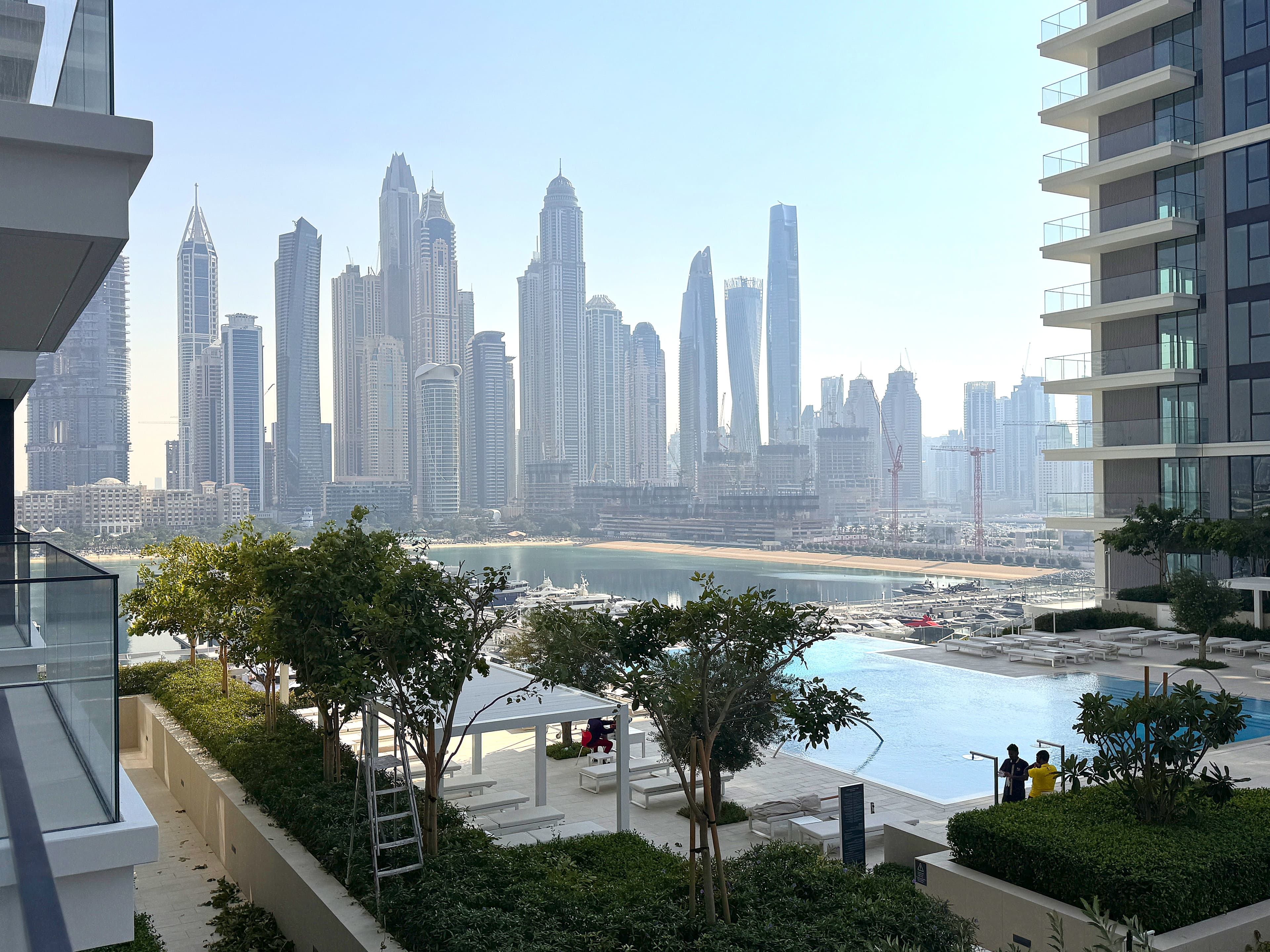
Dubai apartments for investment attract a broad range of buyers, from first-time international investors to experienced property owners looking to expand their portfolios. Apartments are available across central business districts, waterfront communities, established residential areas, and new developments, giving investors access to different property segments and strategies.
Compared with villas, apartments can offer broader tenant demand, more manageable ownership requirements, and access to locations where larger residential properties are limited. They may suit investors focused on rental income, future resale, personal use, or a combination of these objectives.
However, not every apartment represents a strong investment. The final result depends on the area, building quality, unit layout, tenant profile, service charges, resale demand, and the price paid for the property.
This guide explains how to evaluate Dubai apartments for investment, including the differences between unit types, ready and off-plan apartments, rental demand, ownership costs, and the factors investors should review before buying.
Quick Answer: Are Apartments in Dubai a Good Investment?
Dubai apartments for investment can be attractive because they are available across different locations, property segments, and investment budgets. Depending on the unit and area, they may offer rental demand, resale potential, and access to established or emerging communities.
The strongest apartment investments usually combine a practical layout, a suitable location, controlled ownership costs, a well-maintained building, and clear demand from tenants or future buyers.
Investors should not choose an apartment only because it is new, affordable, or located in a popular area. The property must also fit the investor’s budget, rental strategy, holding period, and long-term objectives.
Why Investors Consider Apartments in Dubai
Apartments are among the most accessible and flexible property types in Dubai.
They are available in business districts, waterfront communities, family-oriented areas, lifestyle developments, and emerging locations. This variety allows investors to select properties based on income objectives, future growth, personal use, or portfolio diversification.
Apartments can also attract a wide tenant base. Professionals, couples, small families, entrepreneurs, students, and relocating employees may all look for apartment accommodation, depending on the area and unit type.
Another advantage is that apartments may be easier to manage than larger properties. Maintenance responsibilities are often more predictable, although service charges and building quality still need to be reviewed carefully.
For foreign investors, apartments can provide a practical way to enter the Dubai market without immediately committing to the higher ownership and maintenance requirements commonly associated with villas.
Investors comparing different residential property types can also read our guide on Dubai villas for investment to understand how villas differ in terms of tenant profile, maintenance, ownership costs, and long-term strategy.
Dubai Apartments for Investment: Key Factors to Review
Before choosing Dubai apartments for investment, buyers should review more than the property’s appearance or advertised rental potential.
The first factor is location. The area affects tenant demand, rental expectations, resale liquidity, accessibility, and the type of buyer who may be interested in the property later.
The second factor is the building. Management quality, maintenance, amenities, parking, security, elevators, shared spaces, and overall condition can influence both rental appeal and resale value.
The third factor is the unit itself. Layout, floor level, natural light, view, balcony, storage, parking, finishing quality and usable space all matter.
Ownership costs should also be considered. Service charges, maintenance, furnishing, vacancy periods, and management requirements can reduce the final return.
Finally, investors should understand the resale profile. A strong apartment should remain attractive not only to current tenants, but also to future buyers.
Studio, One-Bedroom or Two-Bedroom Apartment?
The right apartment size depends on the target tenant and the investor’s strategy.
Studios may appeal to individual professionals, short-term residents, and buyers looking for a more accessible entry into the market. They can attract demand in well-connected locations, but competition may be high where many similar units are available.
One-bedroom apartments often appeal to a broader audience, including professionals, couples, and long-term residents. They can offer a balance between purchase cost, usable space and rental demand.
Two-bedroom apartments may attract couples requiring additional space, small families, professionals working from home, or tenants planning to stay longer. They may involve a higher purchase cost, but can also serve a more stable residential audience.
Investors should avoid assuming that the smallest or least expensive unit will automatically produce the strongest result. The better option is the apartment size that matches real demand in the chosen area.
Location and Accessibility
Location remains one of the most important elements in apartment investment.
An apartment near business districts, transport connections, leisure facilities, schools, or waterfront destinations may appeal to a different audience than a property in a quieter residential community.
Investors should understand how residents use the area in everyday life. Accessibility, road connections, public transport, nearby services, and community quality can influence how easy the property is to rent or resell.
Established areas usually offer more market information. Investors can compare current rents, resale listings, building performance, and tenant demand.
Emerging areas may offer future growth potential, but they require more careful evaluation. Infrastructure, surrounding development, future supply and community maturity can all influence long-term performance.
The right location is not necessarily the most famous one. It is the area that supports the investor’s target tenant, budget, and strategy.
Building Quality and Management
The quality of the building can significantly influence both the apartment’s rental appeal and its long-term value.
A well-designed unit may still underperform if the building is poorly maintained, difficult to access, or affected by unreliable facilities. Common areas, elevators, parking, security, amenities, cleaning, and building management can all shape the tenant experience.
Investors should also consider how the building compares with nearby properties. If several developments offer similar units, tenants and buyers may favor the building with stronger maintenance, better facilities, or more practical access.
Older buildings are not automatically weaker investments. Some may offer larger layouts, established demand, or stronger locations. However, their condition and future maintenance requirements should be evaluated carefully.
New buildings may offer modern facilities and finishes, but investors should still consider service charges, area supply, and whether the design suits real tenant demand.
Ready Apartments vs Off-Plan Apartments
Investors can choose between ready and off-plan apartments.
Ready apartments allow buyers to inspect the unit, understand the building, evaluate the surrounding community, and review current rental demand before purchasing. They may be suitable for investors who want more certainty or who plan to generate rental income sooner.
Off-plan apartments may offer access to new developments, modern designs, staged payment structures, and future growth potential. However, they require careful review of the developer, location, project quality, expected completion date, future supply, and demand after handover.
The decision should not be based only on price or payment terms. A ready apartment in a strong building may be more suitable than an off-plan unit with weak fundamentals. At the same time, a carefully selected off-plan project may support a longer-term growth strategy.
The right choice depends on the investor’s timeline, risk tolerance, cashflow planning, and investment objective.
Investors who want to examine each option in greater detail can read our dedicated guides on ready property in Dubai and off-plan property in Dubai before choosing the apartment strategy that best matches their objectives.
Rental Demand and Tenant Profile
Rental demand should be evaluated at both area and unit level.
Different locations attract different tenants. Business districts may appeal to professionals and entrepreneurs, while family communities may attract long-term residents who value schools, parks, supermarkets, and quieter surroundings.
The apartment layout should also match the intended tenant. A unit with practical rooms, adequate storage, parking, natural light, and usable outdoor space may be more attractive than one designed mainly for visual impact.
Investors should distinguish between advertised rent and realistic net income. Vacancy periods, service charges, furnishing, maintenance, and management requirements can all influence the final result.
A strong rental apartment is not simply one that can achieve a high asking rent. It is one that can attract suitable tenants consistently while keeping ownership costs under control.
Service Charges and Ownership Costs
Service charges are an important part of apartment ownership in Dubai.
They contribute to the maintenance and operation of the building and shared facilities. Depending on the development, these costs may reflect amenities, common areas, security, landscaping, pools, gyms, parking, and other services.
A building with extensive facilities may look attractive, but higher ongoing costs can affect net performance. Investors should therefore evaluate whether the amenities support tenant demand and justify the associated ownership expenses.
Other costs may include furnishing, repairs, maintenance inside the unit, vacancy periods, management, and future upgrades.
The purchase price alone does not show the full investment picture. Investors should compare expected income with realistic ongoing costs before choosing an apartment.
Layout, Floor Level and View
Details within the unit can influence both rental and resale demand.
A practical layout usually matters more than total size alone. Apartments with awkward rooms, limited storage, narrow living spaces, or poorly positioned kitchens may be less attractive than smaller units with more efficient designs.
Floor level can also influence demand. Some tenants and buyers prefer higher floors for views and privacy, while others may value easier access or lower purchase costs.
Views can strengthen the appeal of an apartment, particularly in waterfront, skyline, or landmark locations. However, investors should consider whether the premium paid for the view is supported by realistic rental and resale demand.
Balconies, natural light, parking, storage, and unit orientation can also influence how the property performs against similar apartments in the same building or community.
Resale Potential and Market Liquidity
Investors should consider the future buyer before purchasing an apartment.
Resale potential depends on the location, building reputation, apartment size, layout, condition, floor level, view, service charges, and price segment.
Units that appeal to a broad group of buyers may be easier to resell than highly specific properties with a limited audience. Practical one-bedroom and two-bedroom apartments, for example, may attract both investors and end-users in certain areas.
Supply also matters. If many similar apartments are available within the same building or community, buyers may have greater negotiating power when the investor decides to sell.
Investors should also compare individual units and buildings with verified market information from the Dubai Land Department, including transaction, rental, project, building, and area-level data.
A strong apartment investment should offer flexibility. Even when the initial strategy is rental income, the property should still have a credible resale market.
Dubai Apartments for Foreign Investors
Dubai apartments for investment can be particularly relevant for foreign buyers looking for rental income, portfolio diversification, lifestyle use, or future relocation.
International investors should consider how the property fits into their broader financial position. Ownership costs, rental strategy, currency exposure, tax residency, management requirements, and long-term plans may all influence the decision.
Foreign buyers should also avoid relying only on remote presentations, marketing materials, or general claims about an area. Local demand, building quality, pricing, and resale conditions can vary significantly between projects.
The strongest decision is usually based on comparison. Investors should understand how the apartment performs against similar units and whether it offers genuine advantages within its market segment.
Common Mistakes Investors Make
One common mistake is choosing the least expensive apartment without understanding why it is priced lower. The building, location, layout, view, condition, or demand may explain the difference.
Another mistake is focusing only on advertised rental returns. Investors should evaluate realistic net performance after service charges, vacancy, furnishing, maintenance, and management.
Some buyers select a popular area without comparing individual buildings. Properties within the same community can perform differently depending on management quality, access, facilities, and reputation.
Investors may also overpay for a high floor, premium view, or luxury finish without checking whether tenants and future buyers will recognize the same value.
Finally, choosing a unit without a clear objective can lead to a poor fit. An apartment intended for rental income should be evaluated differently from one purchased for personal use, future relocation, or long-term appreciation.
How Arena Properties Can Support Investors
Choosing an apartment in Dubai requires more than reviewing available listings. Investors need to compare areas, buildings, unit types, ownership costs, rental demand, and long-term resale potential.
Arena Properties can support investors with apartment selection, area analysis, building comparison, property evaluation, and real estate investment guidance. This helps buyers understand whether a particular unit is suitable for their objective and how it compares with other opportunities in the market.
The right apartment is not always the newest, cheapest, or most heavily promoted. Its value depends on how well the location, building, layout, demand, and ownership costs work together.
By working with Arena Properties, investors can approach apartment opportunities with a clear strategy and avoid decisions based only on presentation, popularity, or urgency.
(FAQ) Frequently Asked Questions about Dubai apartments for investment
Are apartments in Dubai good for investment?
Apartments in Dubai can be suitable for investment when the location, building quality, unit layout, rental demand, ownership costs, and resale potential align with the investor’s strategy.
Which apartment size is best for investment in Dubai?
The best size depends on the area and target tenant. Studios, one-bedroom apartments, and two-bedroom apartments can all perform well when they match local demand.
Are ready or off-plan apartments better for investors?
Ready apartments offer more certainty and may support rental income sooner. Off-plan apartments may offer access to new developments and future growth potential. The right choice depends on the investor’s timeline and risk tolerance.
What should investors review before buying an apartment in Dubai?
Investors should review the location, building condition, layout, service charges, rental demand, floor level, view, parking, resale potential, and total ownership costs.
Are apartments better than villas for investment in Dubai?
Apartments and villas serve different strategies. Apartments may offer broader tenant demand and more manageable ownership requirements, while villas may appeal to families and long-term residents seeking more space.
Can foreign investors buy apartments in Dubai?
Foreign investors can purchase property in designated areas where foreign ownership is permitted. However, the property should be selected based on investment suitability, not only purchase eligibility.
Dubai apartments for investment can offer flexibility, broad tenant demand, and access to a wide range of locations and property segments. They may suit investors focused on rental income, future resale, personal use, or portfolio diversification.
However, a successful apartment investment depends on more than the purchase price. Location, building quality, layout, service charges, tenant profile, rental demand, and resale potential should all be reviewed before buying.
With the right guidance, investors can identify Dubai apartments for investment that offer a stronger balance between market demand, ownership costs, and long-term potential.